Chronic pain and inflammation can affect daily life in significant ways, from limiting mobility to reducing overall quality of life. As treatment approaches continue to evolve, TECAR therapy has gained attention as a method used in rehabilitation settings to support pain management and tissue recovery.
This article explains how TECAR therapy works and how it may help address chronic pain and inflammation.
Understanding Chronic Pain and Inflammation
Chronic pain is typically defined as pain that persists for more than three months. It is often associated with ongoing inflammation, tissue irritation, or underlying conditions affecting muscles, joints, or connective tissues.
Inflammation plays a key role in the body’s healing process, but when it becomes prolonged, it can contribute to:
- Ongoing discomfort
- Reduced mobility
- Muscle stiffness
- Delayed tissue recovery
Managing both pain and inflammation is often essential for improving function and long-term outcomes.
What Is TECAR Therapy?
TECAR therapy (Transfer of Energy Capacitive and Resistive) is a treatment that uses radiofrequency energy to stimulate tissues beneath the skin.
Unlike surface-level heat treatments, TECAR therapy promotes internal heat generation within targeted areas. This approach is used to support natural physiological processes involved in healing.
There are two main application modes:
- Capacitive mode: typically used for soft tissues such as muscles
- Resistive mode: used for denser structures like tendons, ligaments, and joints
How TECAR Therapy Supports Pain Relief
TECAR therapy may help reduce chronic pain through several physiological effects:
1. Improved Blood Circulation
The radiofrequency energy used in TECAR therapy can increase local blood flow. Better circulation helps deliver oxygen and nutrients to affected tissues, which may support repair processes.
2. Reduction in Muscle Tension
Chronic pain is often associated with tight or overactive muscles. The deep heating effect of TECAR therapy may help relax these tissues, potentially reducing discomfort and improving movement.
3. Modulation of Pain Signals
Some forms of electrotherapy are believed to influence how pain signals are transmitted within the body. While responses vary, this may contribute to short-term pain relief for some individuals.
How TECAR Therapy Addresses Inflammation
Inflammation is a complex biological response, and TECAR therapy may play a role in managing it through:
Enhanced Lymphatic Drainage
Improved circulation can help move excess fluid and metabolic waste away from inflamed areas, which may reduce swelling.
Support for Cellular Activity
The stimulation of tissues may encourage cellular processes involved in repair and regeneration.
Temperature Regulation in Tissues
The internal heat generated during treatment can influence tissue elasticity and fluid dynamics, which may help reduce stiffness often associated with inflammation.
Conditions Where TECAR Therapy May Be Used
TECAR therapy is often included as part of a broader rehabilitation plan for conditions such as:
- Chronic back and neck pain
- Tendon-related conditions (e.g., tendonitis)
- Joint inflammation and stiffness
- Muscle strains and overuse injuries
- Sports-related injuries
Its use typically depends on individual assessment and clinical judgment.
Is TECAR Therapy a Standalone Treatment?
TECAR therapy is generally not used on its own. It is most often combined with other physiotherapy approaches, including:
- Exercise-based rehabilitation
- Manual therapy
- Movement and posture correction
Addressing chronic pain and inflammation usually requires a comprehensive plan tailored to the individual.
What to Expect During Treatment
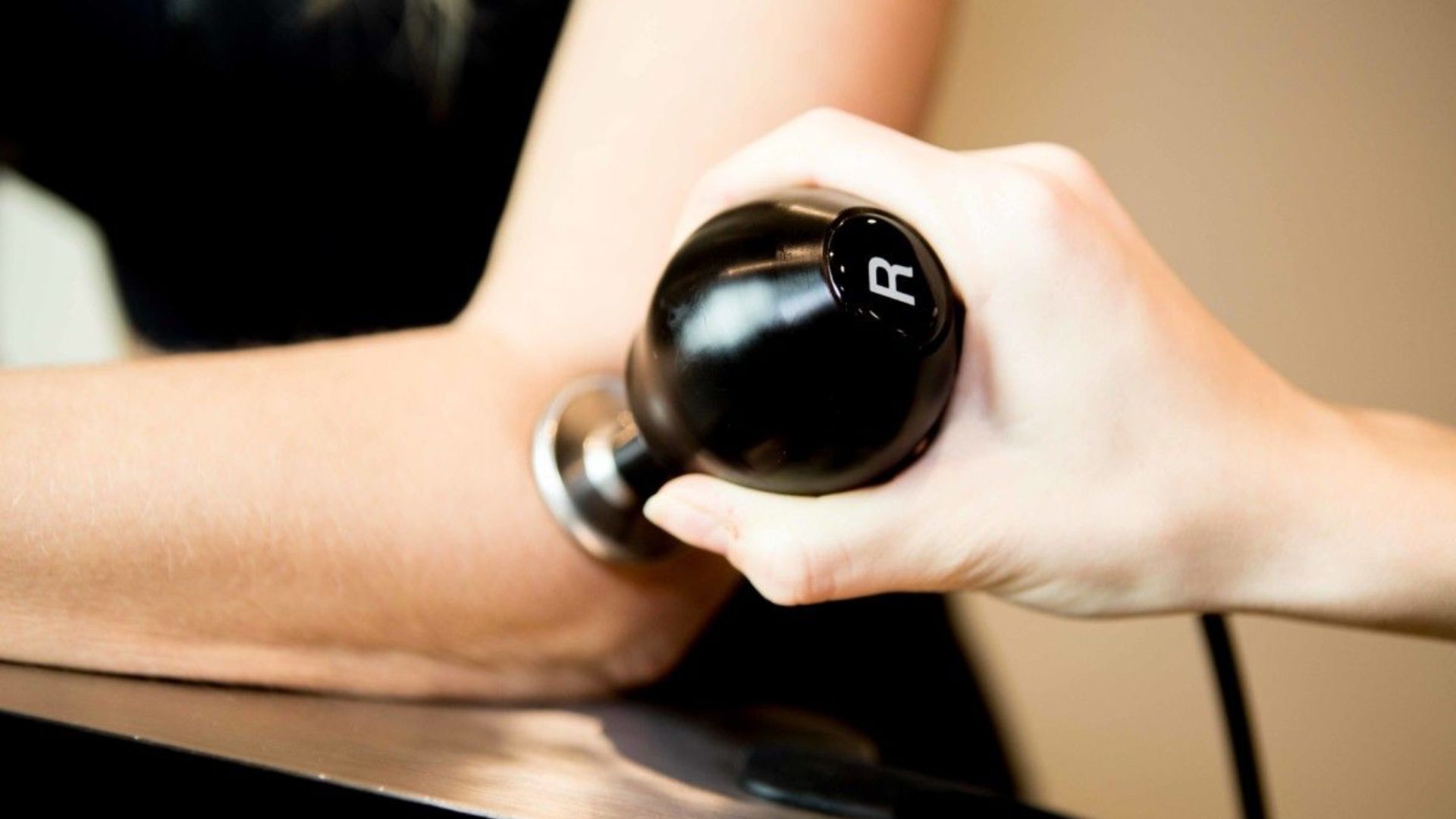
A TECAR therapy session typically involves the application of a handheld device over the affected area. Patients may feel a gentle warming sensation during the treatment.
The intensity and duration of sessions can vary depending on the condition being addressed.
Final Thoughts
TECAR therapy is one of several tools used in modern rehabilitation to help manage chronic pain and inflammation. Supporting circulation, reducing muscle tension, and promoting tissue activity, it may contribute to improved comfort and mobility for some individuals.
As with any treatment, outcomes can vary, and it is most effective when integrated into a broader, personalized rehabilitation program.